China’s Children
May 23, 2023
Sydney photographer, Michael Emery’s intimate collection of street photographs are reminiscent of a long passed era of Chinese living, and so is he.
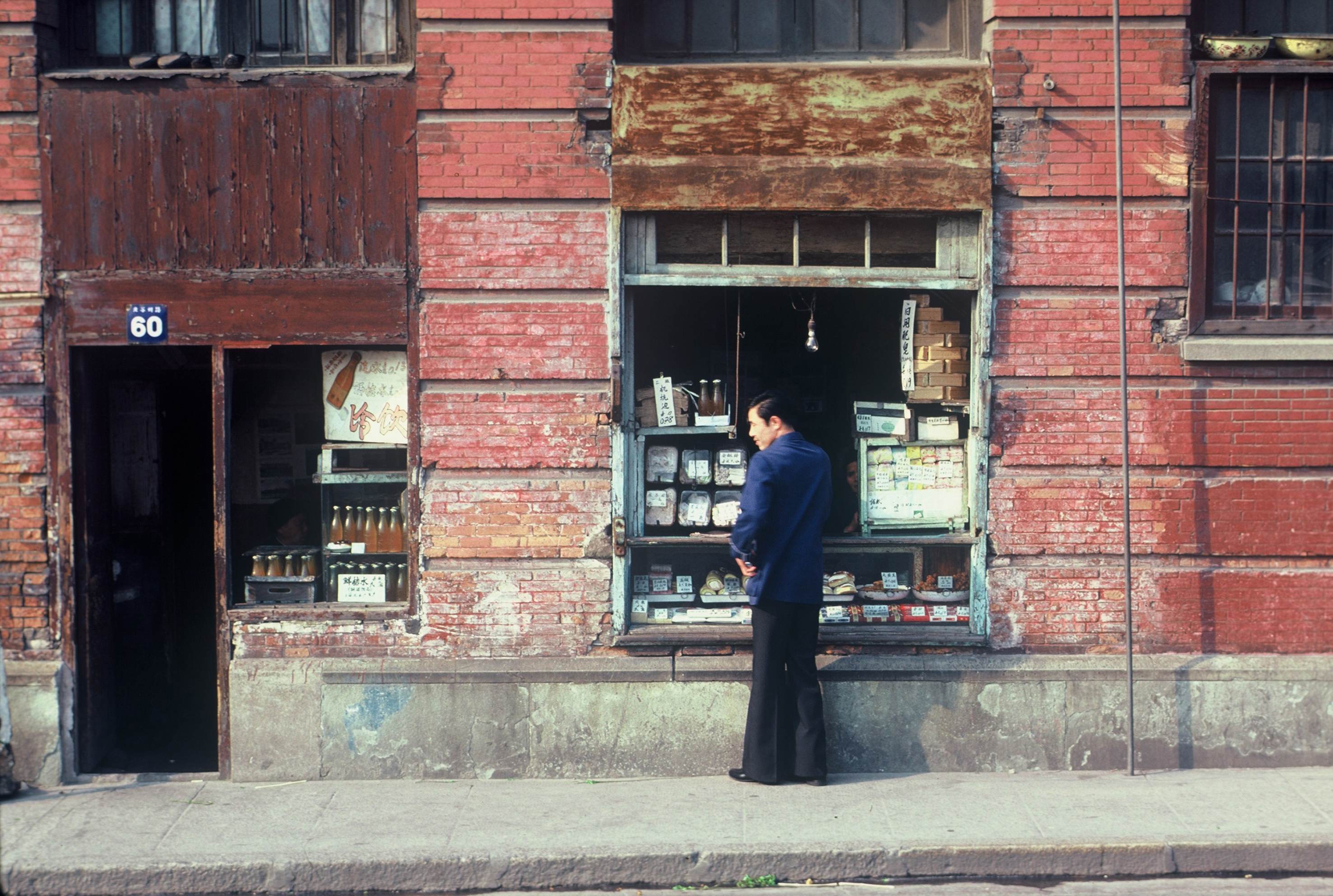
Emery stepped foot off one of the first cruise ships to travel to China in the Spring of 1980, setting out with his Nikon camera to document the nation as it stood before huge reform and change. At just twenty-three, Emery was one of the first foreigners to witness a pre-western, pre-modern China that was only just beginning to open up to the outside world.
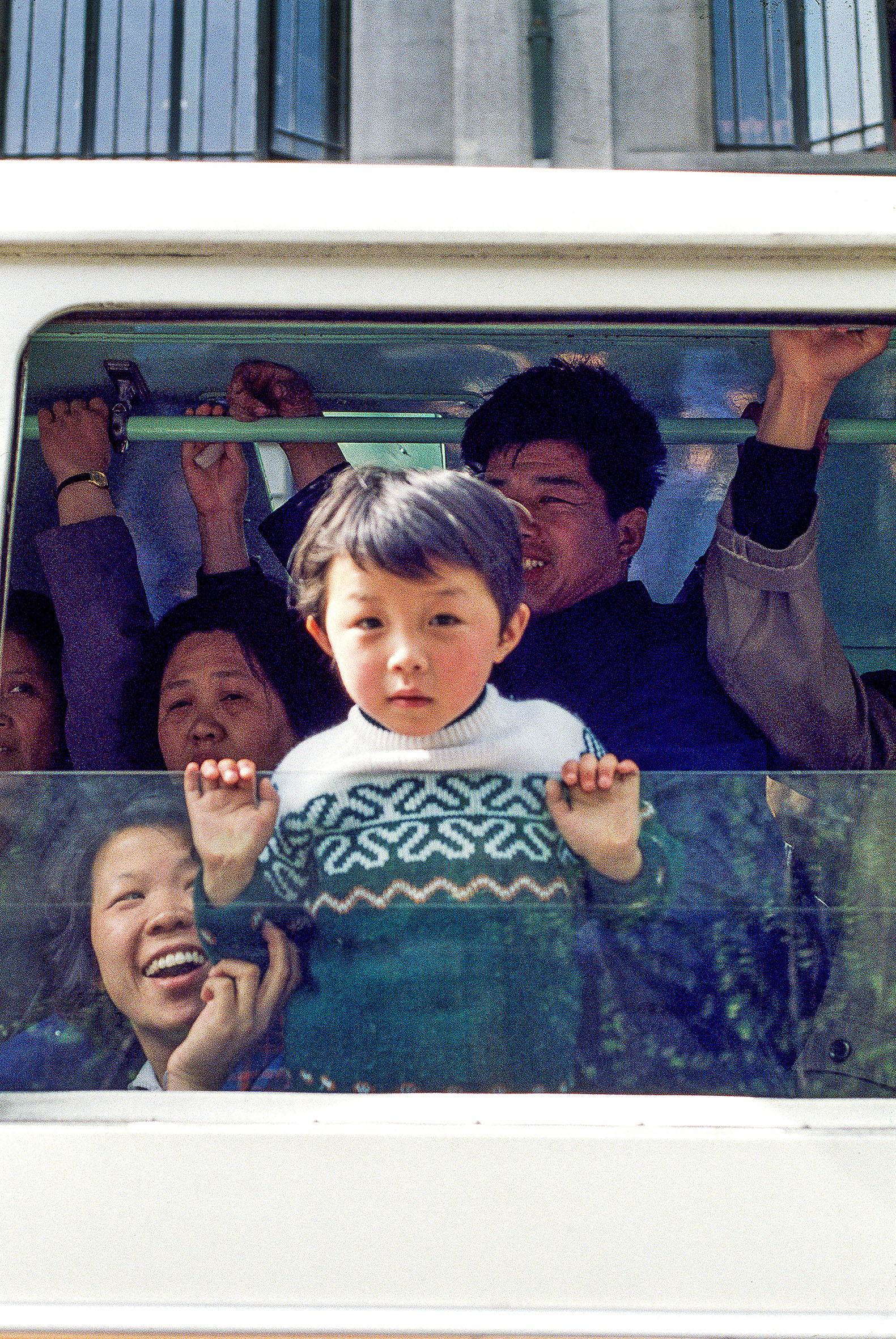
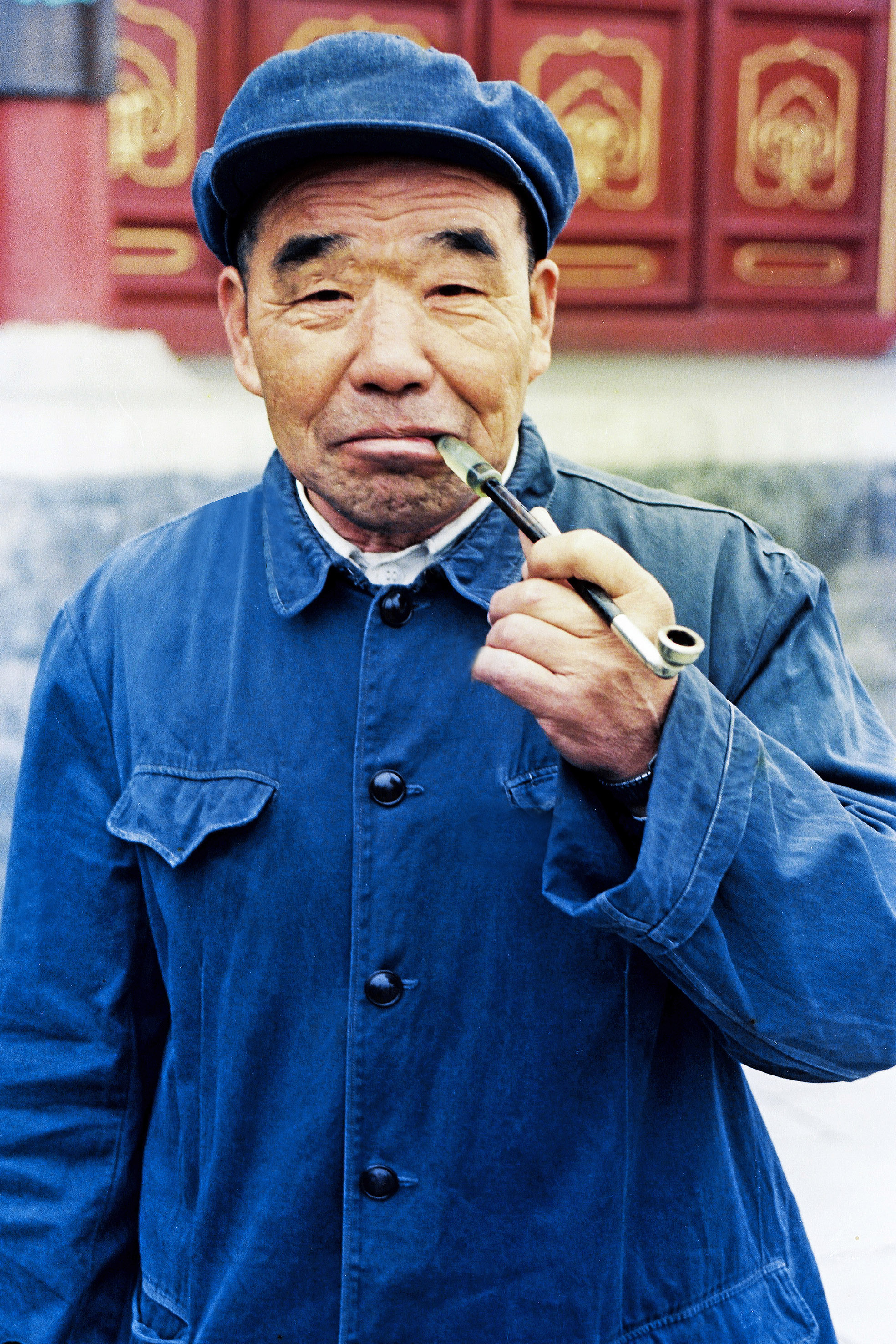
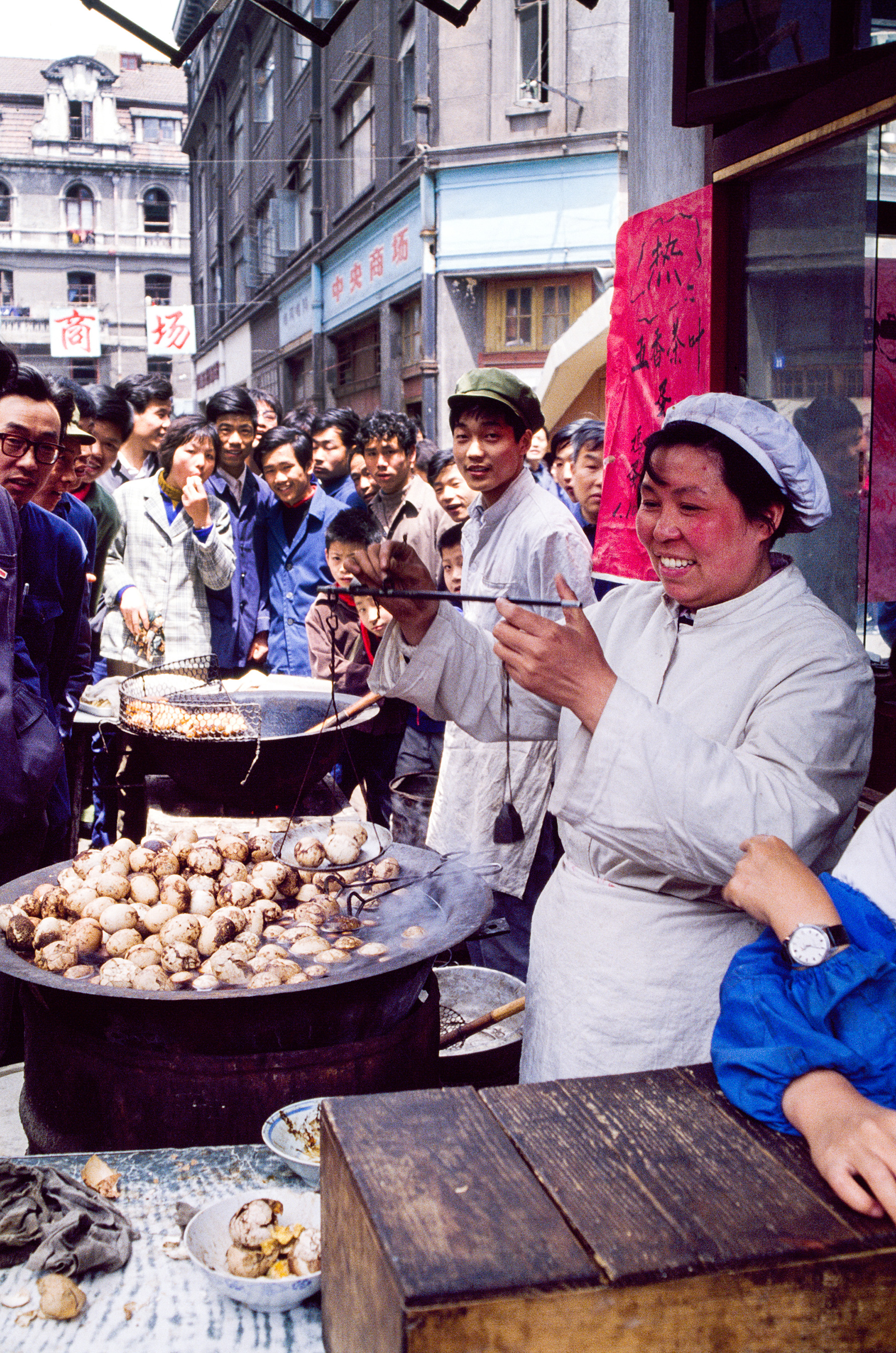
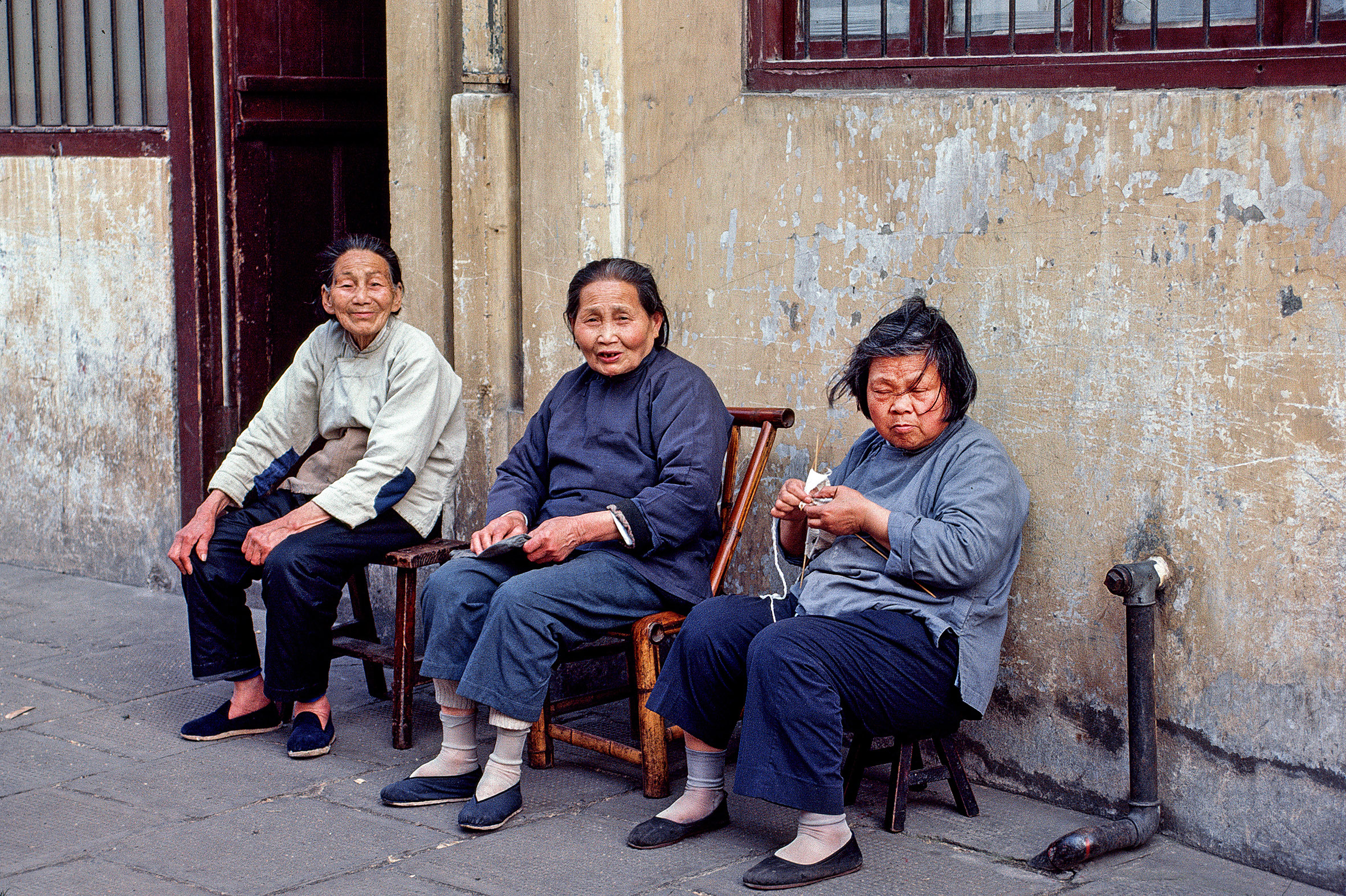
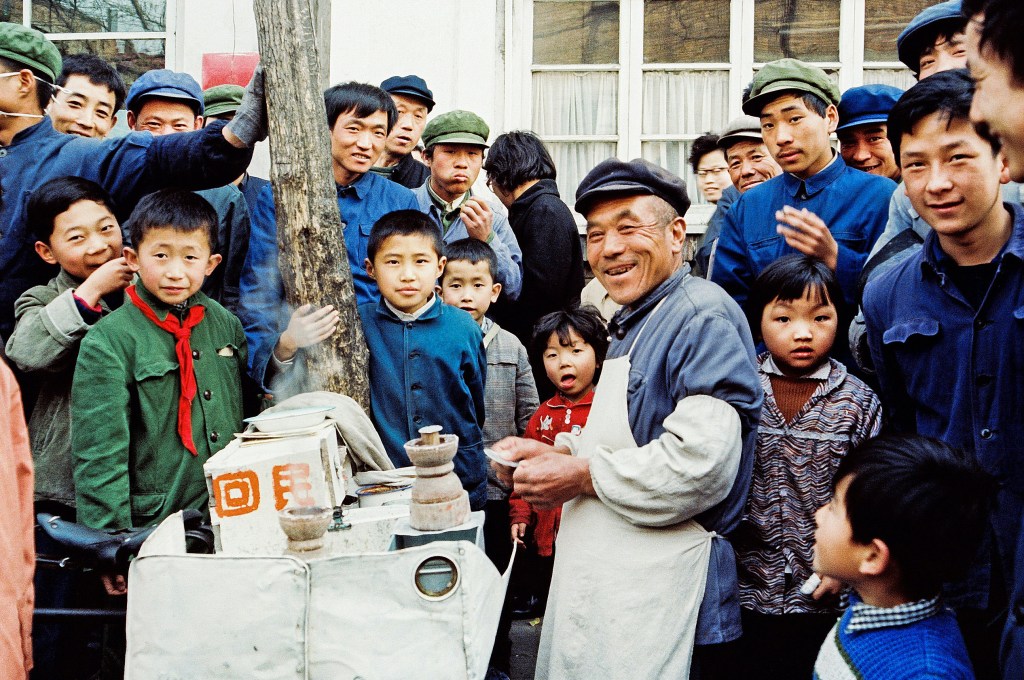
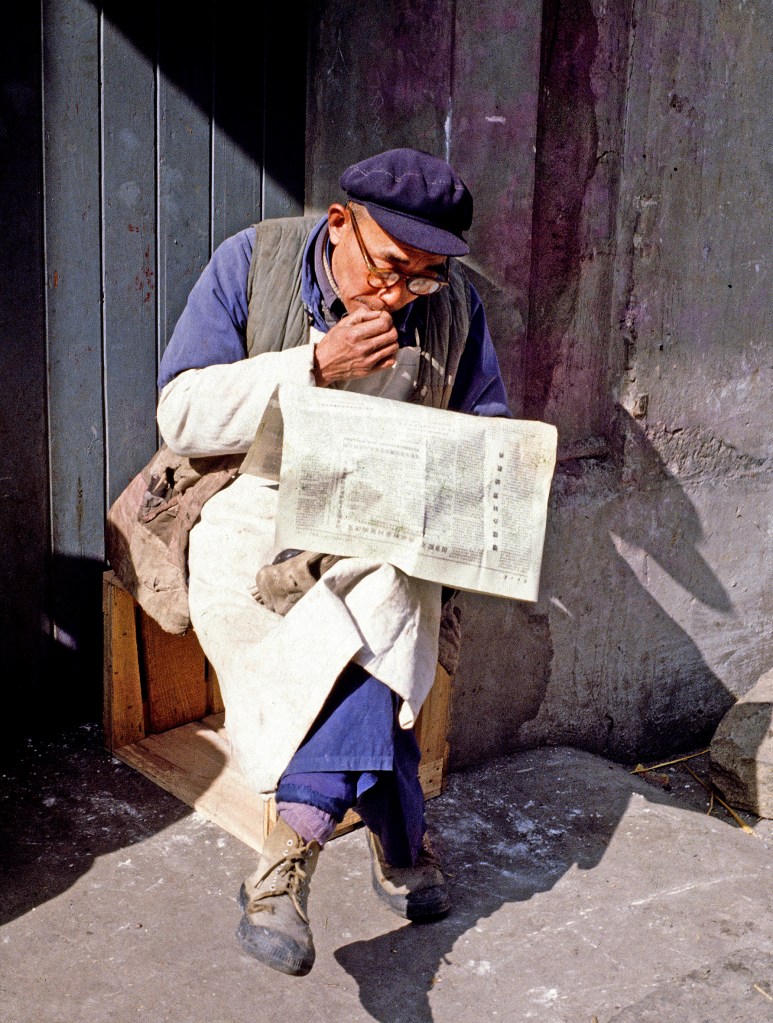
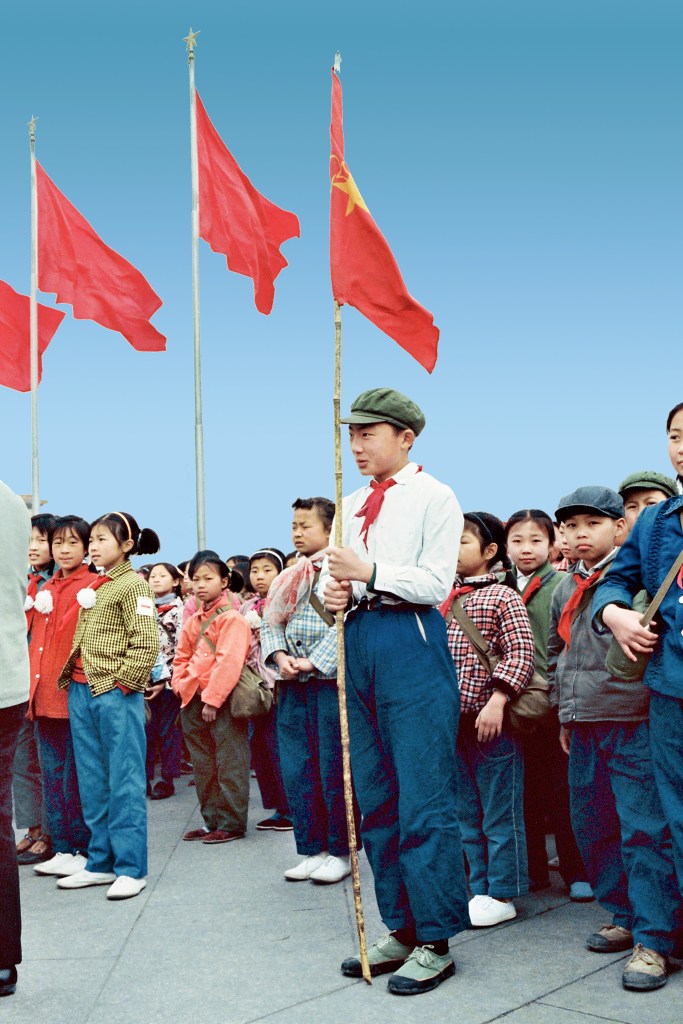
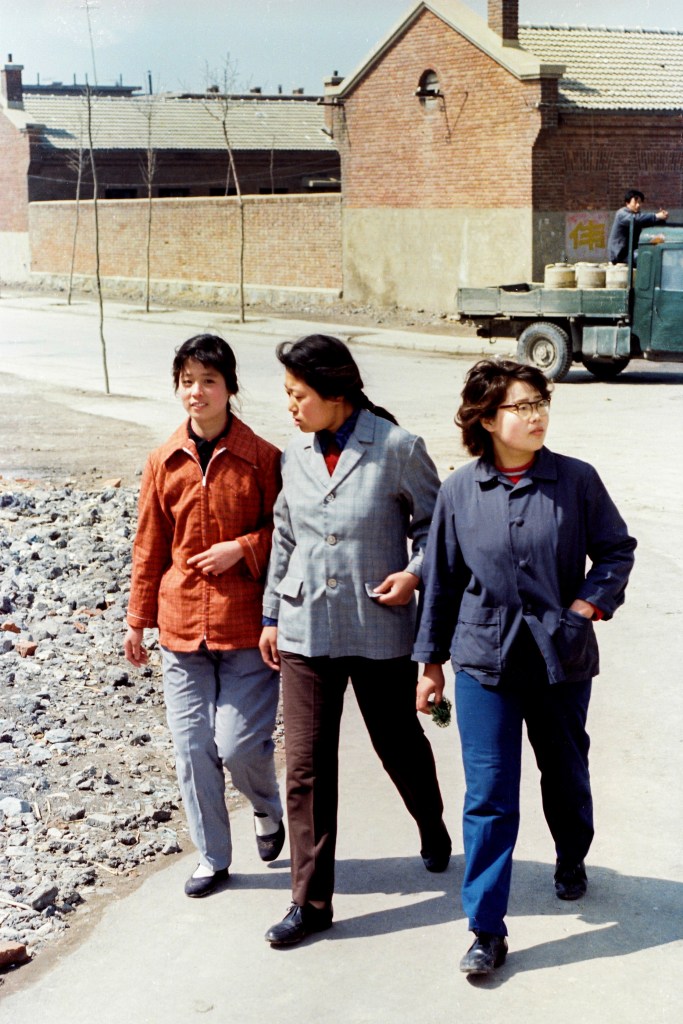
The photographs have now been published in Emery’s book, China’s Children, which evokes a true colour to the people and happenings of the Shanghai and Beijing streets he walked decades ago. The many scenes of communes, markets, cooking, eating, walking and laughing.
Emery says the book is a celebration of the nation, in a personal attempt to offer an ‘insight into the lives of Chinese society as it was back in the 1980’s, and, by comparison, appreciate how much it has progressed.’
‘There is a feeling of contentment that unites the people on these pages. When you look into the laughing faces of these children, you can see the innocence in their eyes.’
Almost 40 years on, Emery wonders where these children are now and what became of their now grown up lives. Today’s teachers, today’s parents, today’s doctors, today’s lawyers – children that witnessed China transform into a modern powerhouse of technology and innovation.
‘Many teenagers I came across had learned English at school and loved to ask me questions about the Western world. This was the generation who would go on to study at university’.
‘It was a different place back then, barely in its modern infancy, struggling to find its feet after the harsh, brutal regime of Mao had held it back so successfully for so long.’
When the cruise ship that took Emery to China sailed into Waihongqiao Port back in 1980, he ventured out into the residential warrens that were to become the Pudong New Area of Shanghai.
Shanghai’s population has grown by almost 20 million people since Emery’s first visit, and the old warrens are now littered with skyscrapers and modern infrastructure.
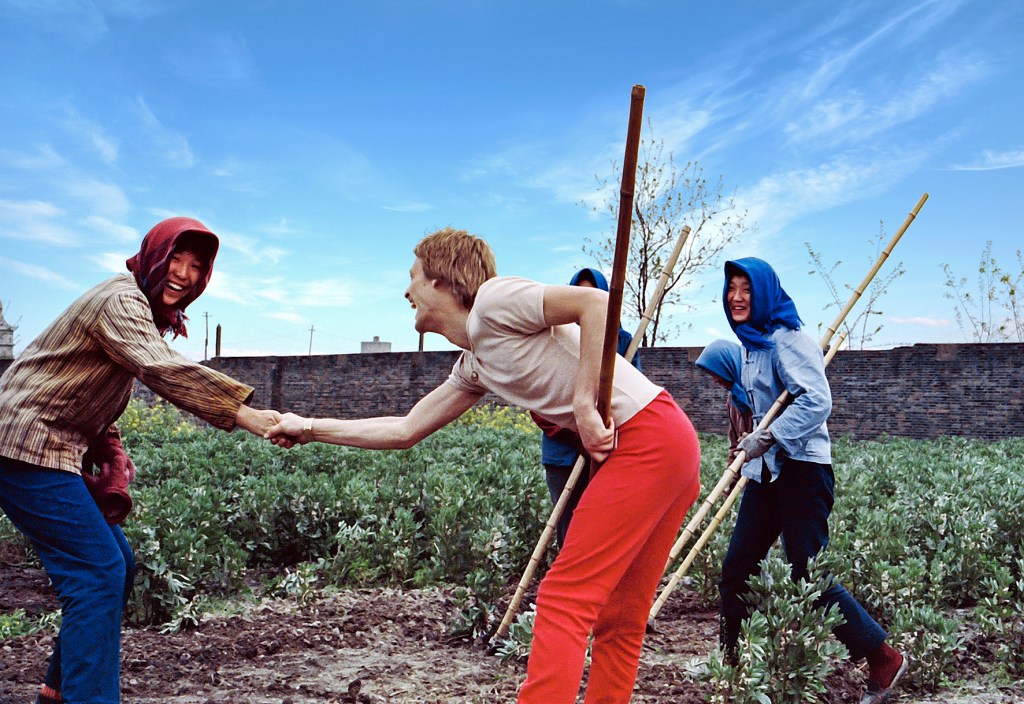
One of Emery’s photos shows a younger, blonder version of himself in bright red pants, shaking a woman’s hand as he helps in the fields. The young and old that Emery met had not before seen a westerner and he made no effort to blend in.
He wore fluorescent jackets, sticking his tongue out and roller skating through the streets, which often got a reaction from the children he photographed.
‘A white man on roller skates was quite a rare sight at that time.’
The same year of Emery’s visit, 1980, the Chinese government introduced its one-child policy as a means of slowing down its rapidly growing population. The young faces that Emery’s book centres upon symbolise a generational shift in the country’s traditional cultural identity and family structures.
‘Children, everywhere, [were] dressed in brightly coloured clothes, a distinct difference to the shades of blue, brown and khaki worn by their parents and elders.’
Many of the children in Emery’s photos wear read scarves around their necks, in a loyal tribute to the communist rule. But some of the photos show others expressing a new influence of identity, with modern clothes and modern hairstyles.
Decades after they were first taken, Emery’s photos have found voice as a reminder of how much Chinese society has transformed. But it is the hidden, unwritten stories behind the faces of these crowded communes and busy streets which offer a different reminder. A reminder of the indomitable human spirit.
‘It’s the simplicity on people’s faces that hasn’t changed a bit,’ Emery says.