London’s Vintage Clothing Stores Reveal Pattern of Gentrification
December 30, 2023
The distribution of high-end vintage clothing stores across different London boroughs directly correlates with existing data on the city’s geographic patterns of gentrification. The presence of different high-end stores acts as both an indicator of the gentrification process and contributor to it, with the displacement of existing shop owners and residents.
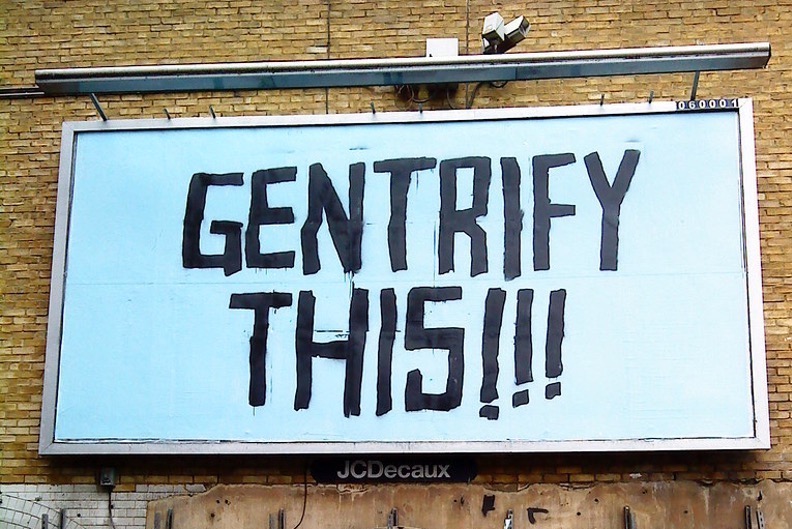
The public’s growing obsession with ‘thrifting’ and vintage fashion wear has been commercialised into an increasing number of high-end vintage clothing stores, seen through the streets of boroughs such as Camden and Spitalfields. These vintage stores and the large price tag attached to their curated collections, have emerged as a clear cultural symbol for ‘trendy’ and gentrified areas in London because of their intended middle-class demographic.
The term gentrification was first coined by a sociologist in 1964 to describe changes observed in London’s Notting Hill and Islington, where the refurbishment of houses by wealthy couples went hand in hand with the displacement of existing working class communities. This trend has continued at alarming rates over the past few decades, with the increasing demolition of council estates and rise of ‘squatter’ movements amidst unpredictable housing affordability.
Open access data from Google Maps and Yell revealed the distribution pattern of vintage clothing stores across London council ward’s, with a clear inner and outer London divide.
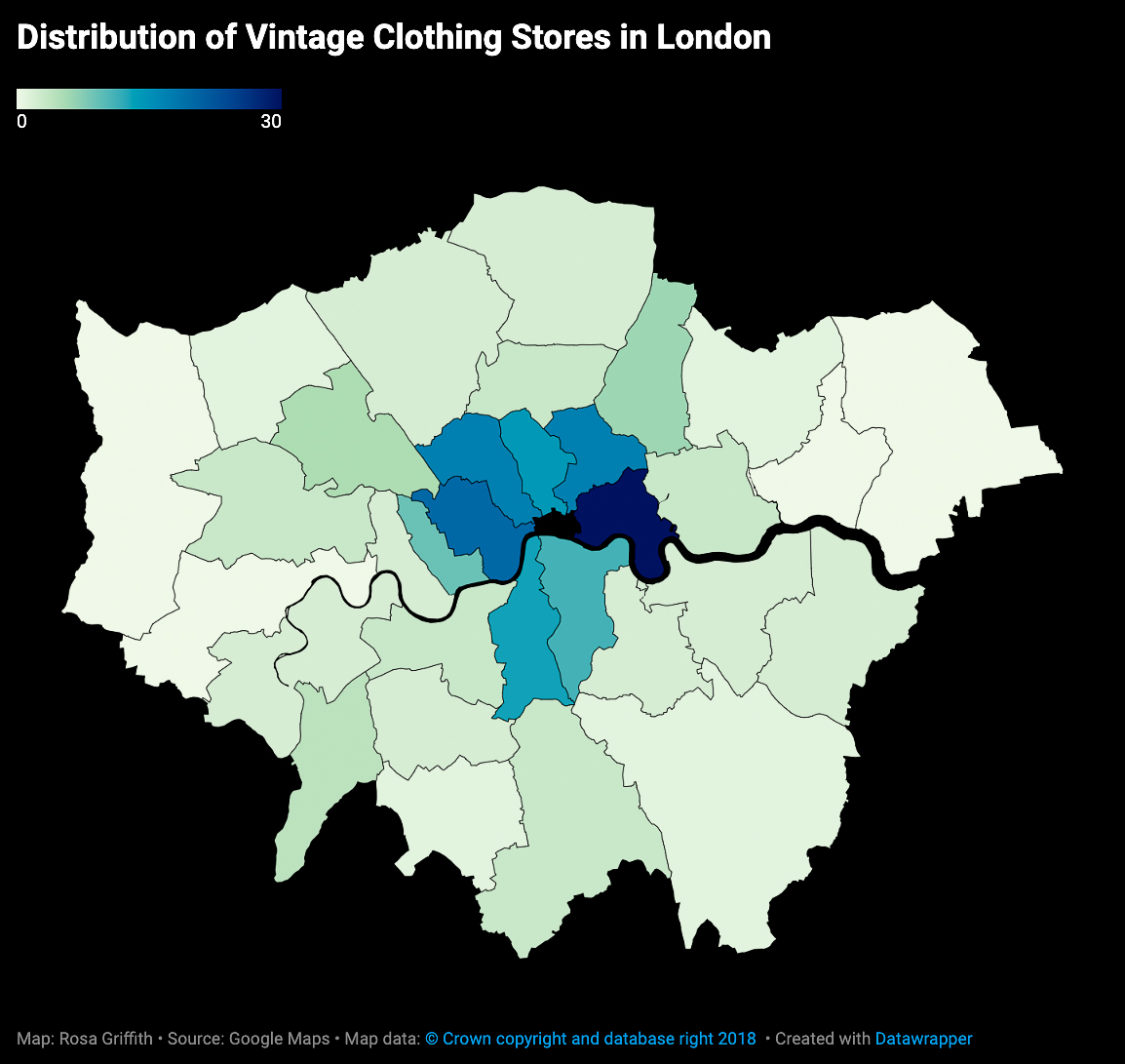
The dominance of vintage clothing stores in Tower Hamlets, which is home to London’s historic ‘Brick Lane’ and a hotspot for vintage clothing shopping, reflects deeper cultural change in the area. The Spitalfields area was historically populated by migrant communities and Bangladeshi local businesses, although the shifting retail landscape and growing tourist presence has contributed to higher housing prices in recent years.
Masud Humayon, a 21 year old resident of Banglatown feels concerned about the housing affordability issues attached to Spitalfields’ gentrification, ‘there are so many families that can’t afford to live here anymore because of how touristy and trendy the area has become.’
‘This isn’t just an issue of shop owners being driven out by higher rent and replaced with vintage stores… this is a race problem too. Bangladeshi families are being forced to move further away and can’t afford to live in the place they have a generational and cultural connection to.’
The Tower Hamlets Council reported that in 2022 there were over 19,000 residents on the housing register in need of an affordable home and 2,000 residents in temporary accommodation. Despite the high number of new homes built in Tower Hamlets in the past two years, the average house price now sits at 22 times the average salary.
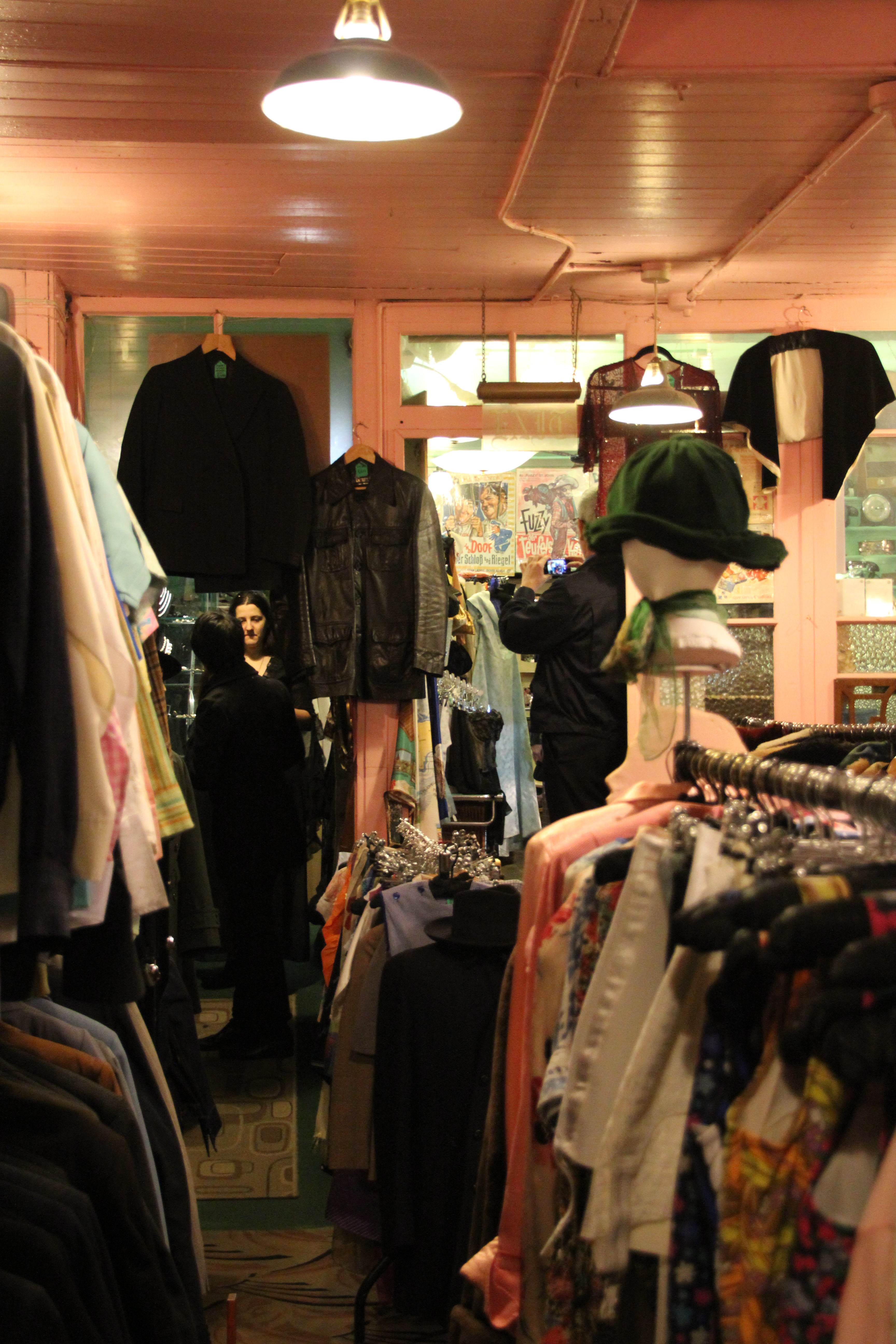
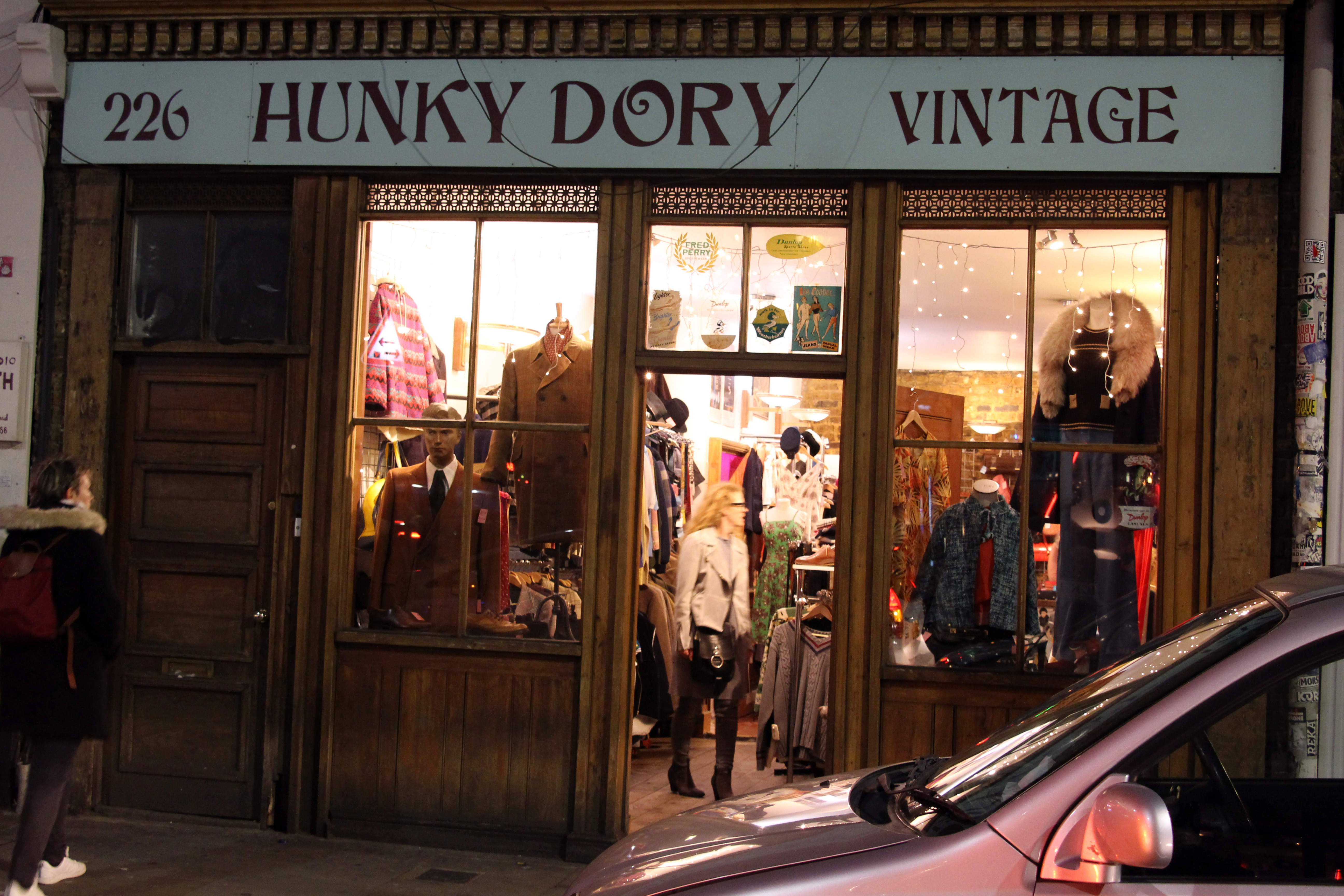
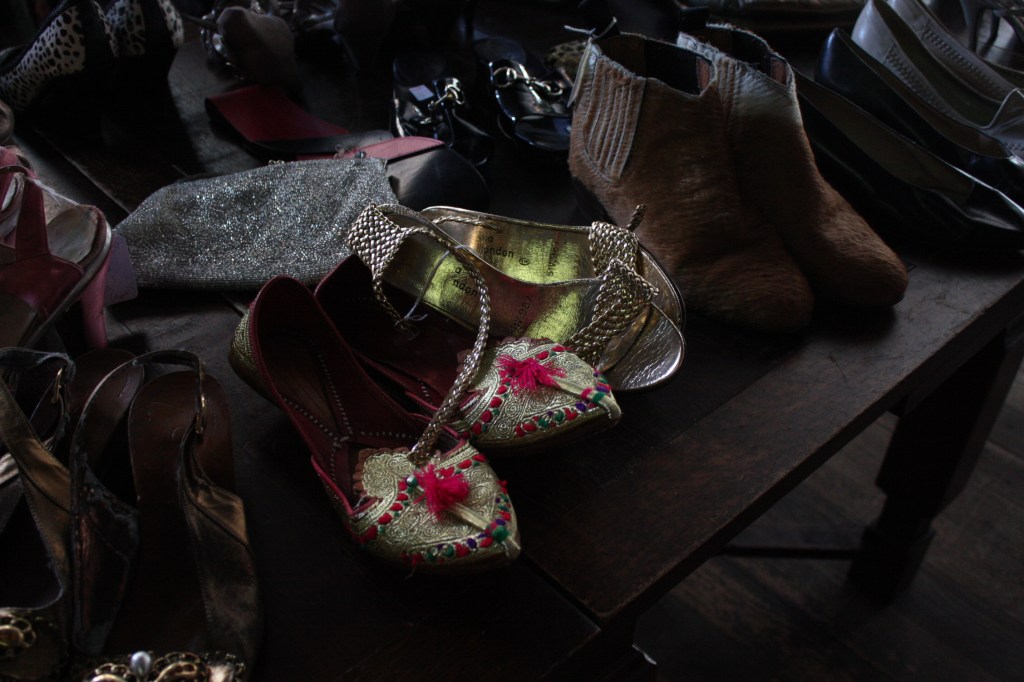
The presence of these more attractive retail spaces such as vintage clothing stores, breweries and cafe’s is not only an indicator of area’s that are already undergoing gentrification, but also a further contributor to the displacement of longstanding residential communities.
An anonymous member of staff from a vintage clothing store in Hackney discussed their store’s presence within the local area and community, ‘the timelessness of vintage clothing has added character to the local fashion scene and there’s a real demand for this kind of retail in London.’
‘But I do think that trendy stores accelerate the gentrification process and there should be more community collaboration… There should also be more affordable options.’
