Truth on Trial
September 1, 2024
Veteran media lawyer, Mark Polden, reflects on the current health of Australian media law, after a decades-long career acting for and against the country’s biggest news outlets.
With a number of high-profile defamation cases having failed in recent years, namely the claims of Bruce Lehrmann and Ben Roberts-Smith, the tide has turned in favour of journalists. Australia no longer stands as what many called, ‘the defamation capital of the world’.
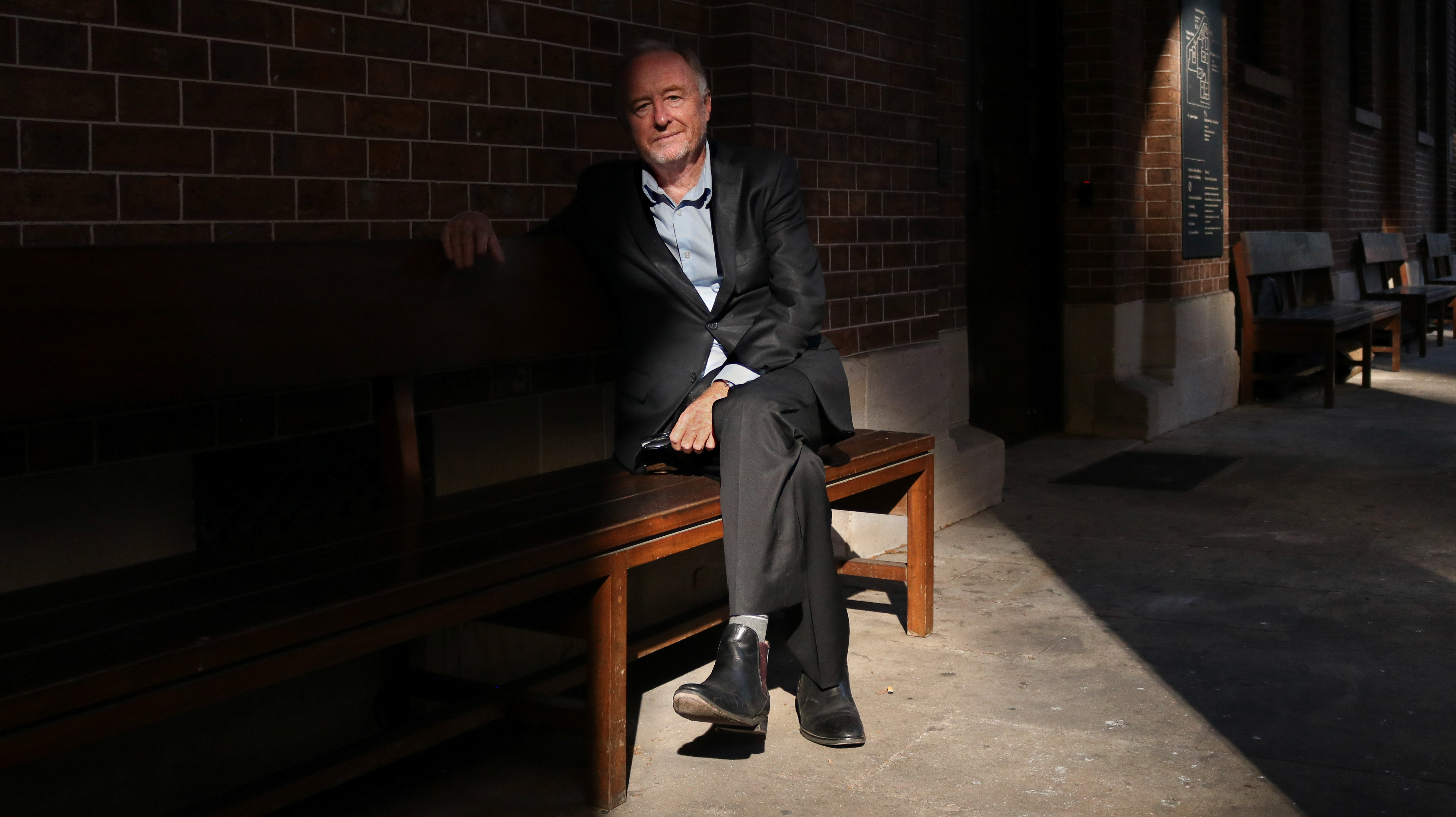
Mark Polden believes that Australian media law, once regarded as the most media-unfriendly legislation in the world, now stands to protect good journalism. He attributes the introduction of new defamation legislation such as the ‘public interest’ defence, to the increased protection afforded to journalists in the media law landscape.
Sitting down with Polden in the courtyards below his Phillip Street chambers, he laughs about how much the balance has changed between journalists and plaintiffs. “It’s a good thing for the media, but bad for business, for people like me,” he says.
However, Polden remains sentimental of this past-era of journalism, marking his time as the Fairfax in-house counsel as the most memorable of his career.
“I loved the cut and the thrust of it all.”
“Back in the day, they were still working with hot metal, and you could go down and watch the Herald being pumped off the press when you went home. They had to literally stop the presses when a late breaking story came in. It was really exciting because you felt like it was all happening in real time.”
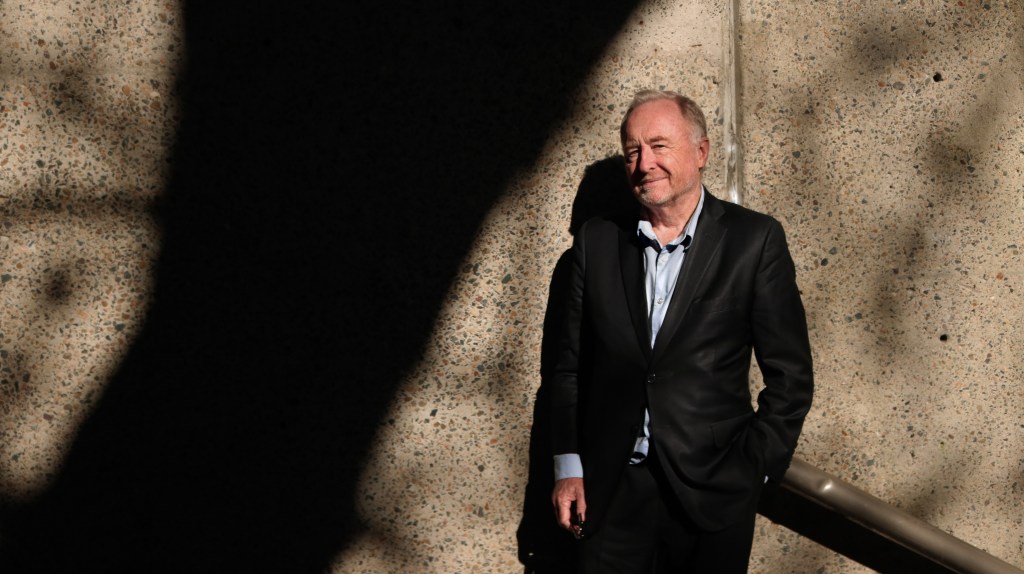

Polden has grappled with both sides of the law through his highly successful career in media law. He recounts the difficulty of separating his personal beliefs from what has to be argued in court, particularly in cases relating to murder or paedophilia.
“It’s very hard. Friends and family don’t understand,” he says.
“But this person deserves the best representation that they can get, whether you agree with them or not. Whether you feel tainted by it or not.”
